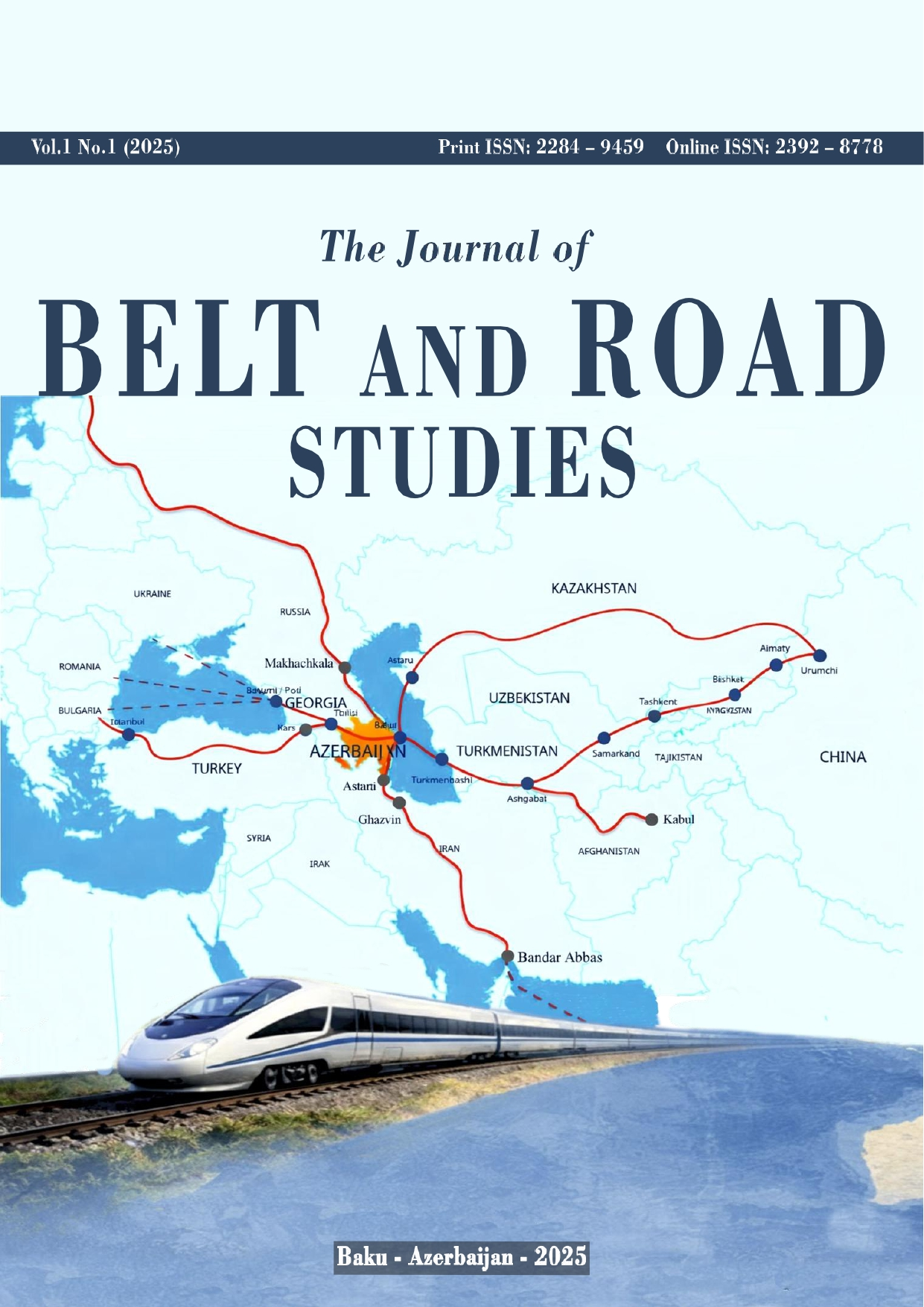
Connectivity, Contestation, and Security: Geopolitical Implications of the Belt and Road Initiative
DOI:
https://doi.org/10.30546/200310.330.01.2026.063Keywords:
Belt and Road Initiative; Connectivity; Security dilemma; Geopolitics; Strategic infrastructure; Regional security.Abstract
The Belt and Road Initiative (BRI) has emerged as one of the most significant international infrastructure and connectivity projects of the 21st century. While widely presented as an economic and developmental programme aimed at enhancing trade routes, logistics networks, and regional integration, the BRI has increasingly generated strategic concerns linked to security implications of the BRI by analysing how large-scale connectivity projects reshape regional strategic environments and contribute to new forms of diplomatic and military contestation. It argues that BRI linked infrastructure must be understood not only as an economic instrument but also a strategic asset capable of influencing maritime routes, military access, and political alignment. The paper explores how the perceived dual use potential of ports, transport corridors, and digital infrastructure has contributed to strategic anxieties among rival powers, intensified security dilemmas in sensitive regions, and encouraged counter balancing initiatives by external actors. In addition, the study highlights how internal security challenges such as insurgency, terrorism, and political instability in host states, which affect the operational sustainability of BRI projects and compel China to expand security cooperation mechanisms abroad. By situating BRI within broader debates on infrastructure geopolitics, economic statecraft, and regional security orders, this study contributes to a deeper understanding of how connectivity driven development initiatives can generate unintended security consequences. The article concluded that the future of the BRI will be shaped not only by economic viability but also by evolving interaction between development priorities, strategic competition, and regional security governance
Downloads